
Mitsuru Sakurai


PROFILE
Mitsuru Sakurai works primarily with photography, exploring the relationship between seeing, perception, and existence. Rather than treating photography simply as a means of recording what is visible, he uses the medium to examine how a subject is perceived and how its presence may shift through the act of observation.
In his early series Fe, Sakurai turned his camera toward monumental man-made structures, including rocket assembly facilities and transmission towers. While grounded in precise photographic technique, these works move beyond documentation. Through shifts in scale, distance, and perspective, Sakurai draws attention to the act of looking itself, questioning how we perceive and understand what stands before us.
His focus later moved from external structures toward a more intimate realm. In BP, taking lighthouses across Japan and the family—our closest form of the “other”—as his subjects, Sakurai examined the relationships between self and other, memory, and the passage of time.
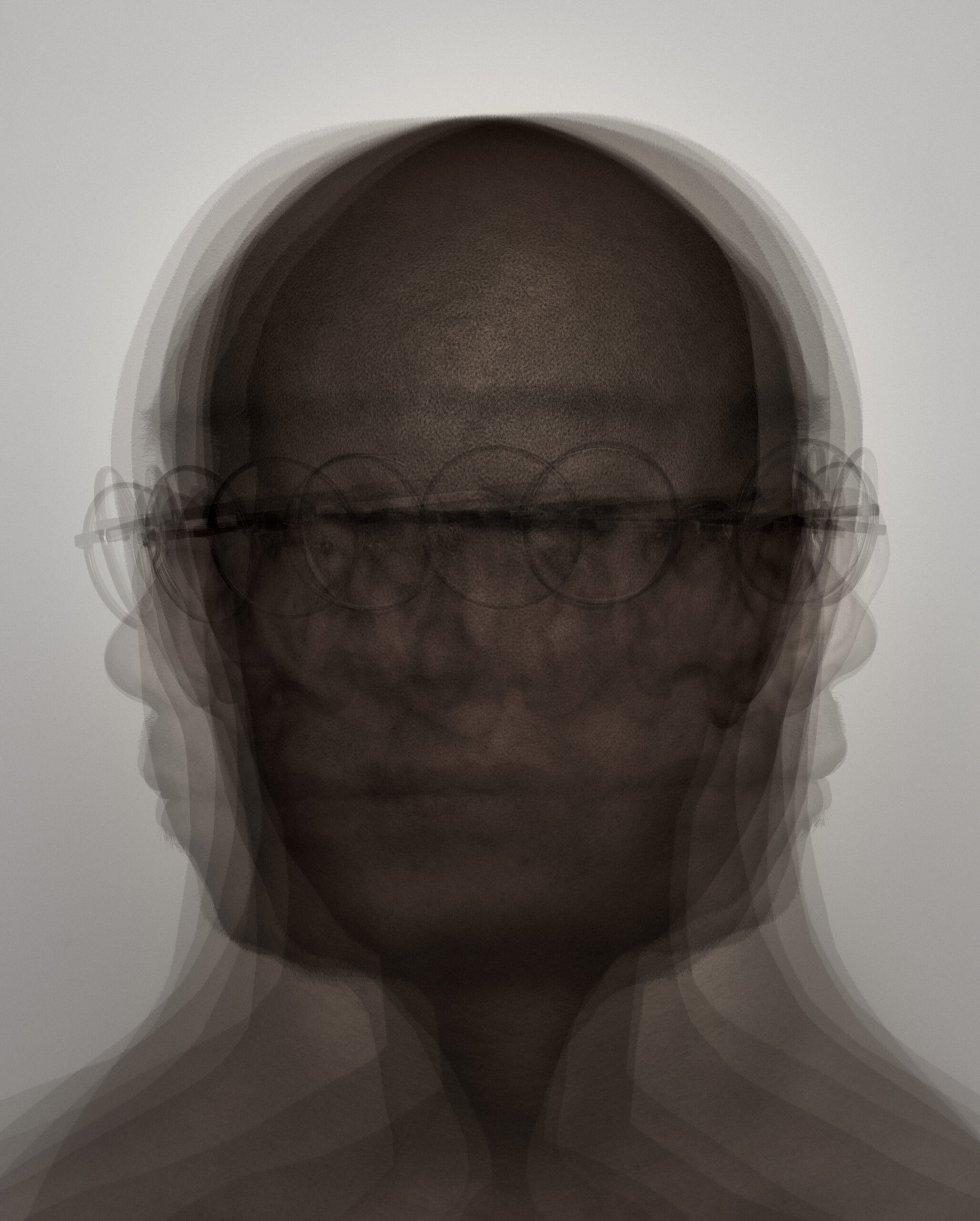
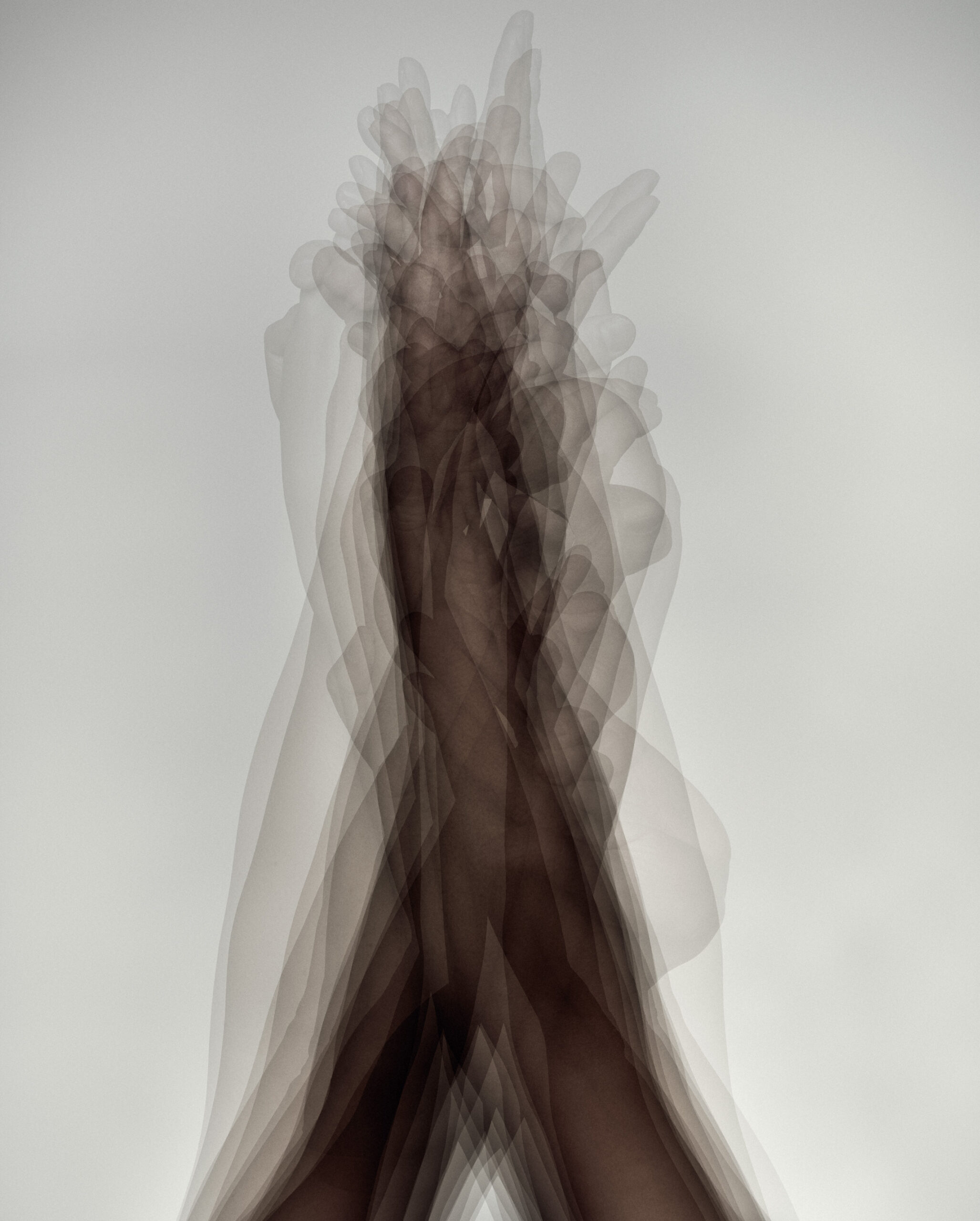
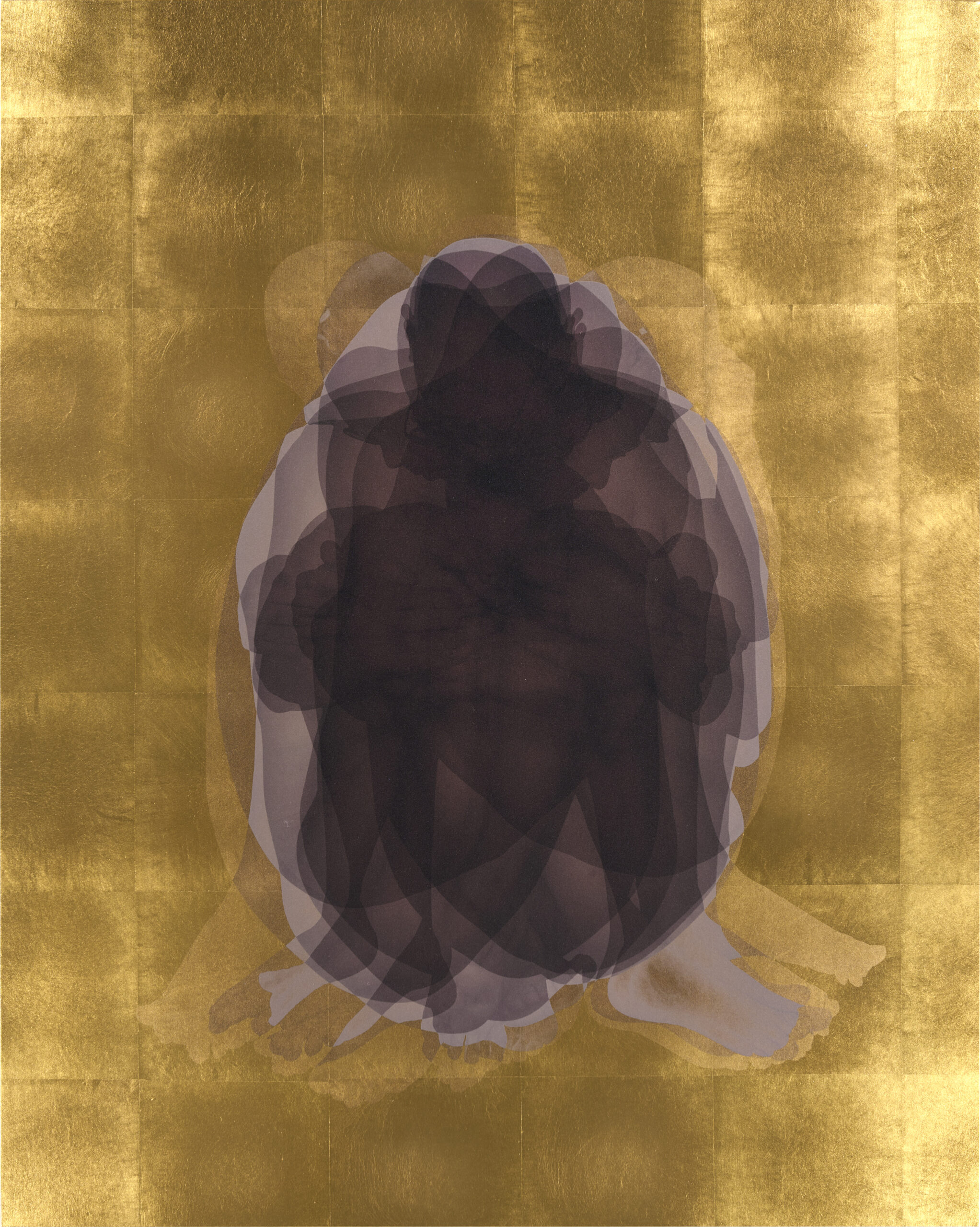
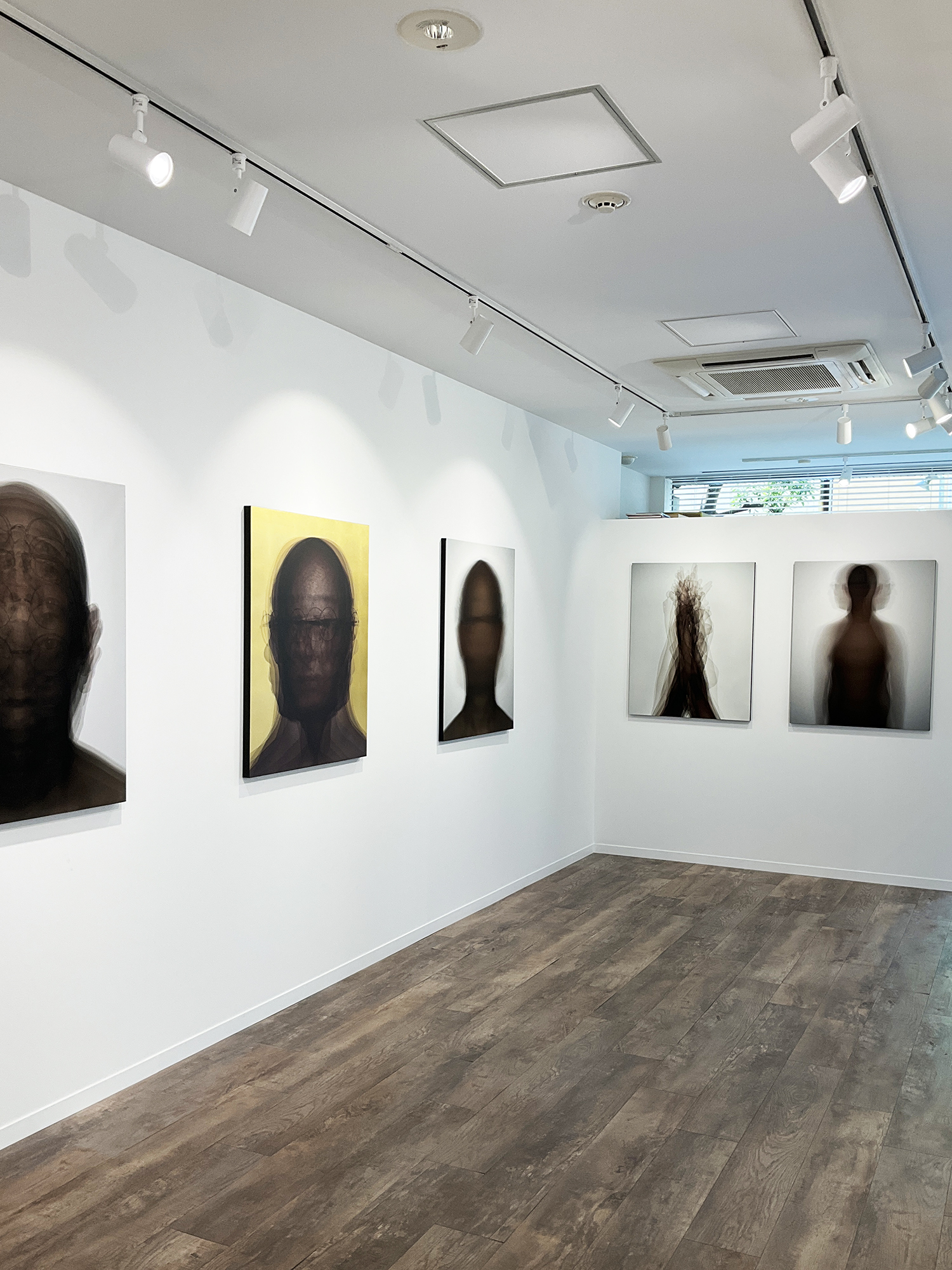
In imu (2025–26), Sakurai directs his gaze further inward, taking the self as his subject through self-portraiture. The series developed in part from his experience photographing Buddhist statues and his subsequent interest in Buddhist thought, particularly the concept of hibutsu—Buddhist icons traditionally kept hidden from public view. Sakurai connects this idea with questions of observation: how the presence of a viewer can alter the way a subject is perceived and understood.
By layering multiple viewpoints and different moments in time within a single image, imu resists fixing the self into a singular, stable portrait. Instead, the figure emerges as a presence that is at once visible and elusive, suspended between seeing and being seen, presence and absence.
From monumental structures to family, and ultimately to the self, Sakurai’s subjects have evolved while his underlying inquiry remains consistent. Through photography, he continues to ask what it means to see, and to what extent the nature of existence can ever be captured in an image.
BIOGRAPHY
1979 Born in Tokyo
2003 Graduated from Department of Design, Visual Communication photography course at Tokyo Zokei University
2023 Part-time Faculty Member at Tokyo Zokei University, Department of Design, Photography Major (current)
AWARDS
2002 Konica Minolta Photo Premio Winner
2014 Prix de la Photographie de Paris(PX3) Nature/wildlife category Gold medal
2016 Graphis Photography Annual 2016 ‘Series Gold’
2019 IPA (International Photography Award) Architecture/Industrial 1st Place
2021 Tokyo TDC Annual Awards 2021 Prize Nominee Works
2023 Sony World Photography Awards 2023 Professional Architecture & Design category Shortlist
PAST EXHIBITIONS
Solo Exhibitions:
2026 “imu” BAU SHIBUYA, Sho+1, Tokyo
2022 “BP” Sho+1, Tokyo
2020 “Fe” 3331 Arts Chiyoda, Tokyo
2021 “Fe” 3331 Arts Chiyoda, Tokyo
Group Exhibitions:
2025 “Between Scenes” Sho+1, Tokyo
2022 “Illusion of Reality” GINZA TSUTAYA BOOKS FOAM CONTEMPORARY, Tokyo
2022 “ART FAIR TOKYO 2022” Sho+1, Tokyo
2019 “IPA (International Photography Award) Best of Show exhibition – curated selection” New York and others
OFFICIAL LINK